 Rare Leaf
Houseplant Humidity: What Actually Works (and Does Misting Help?)
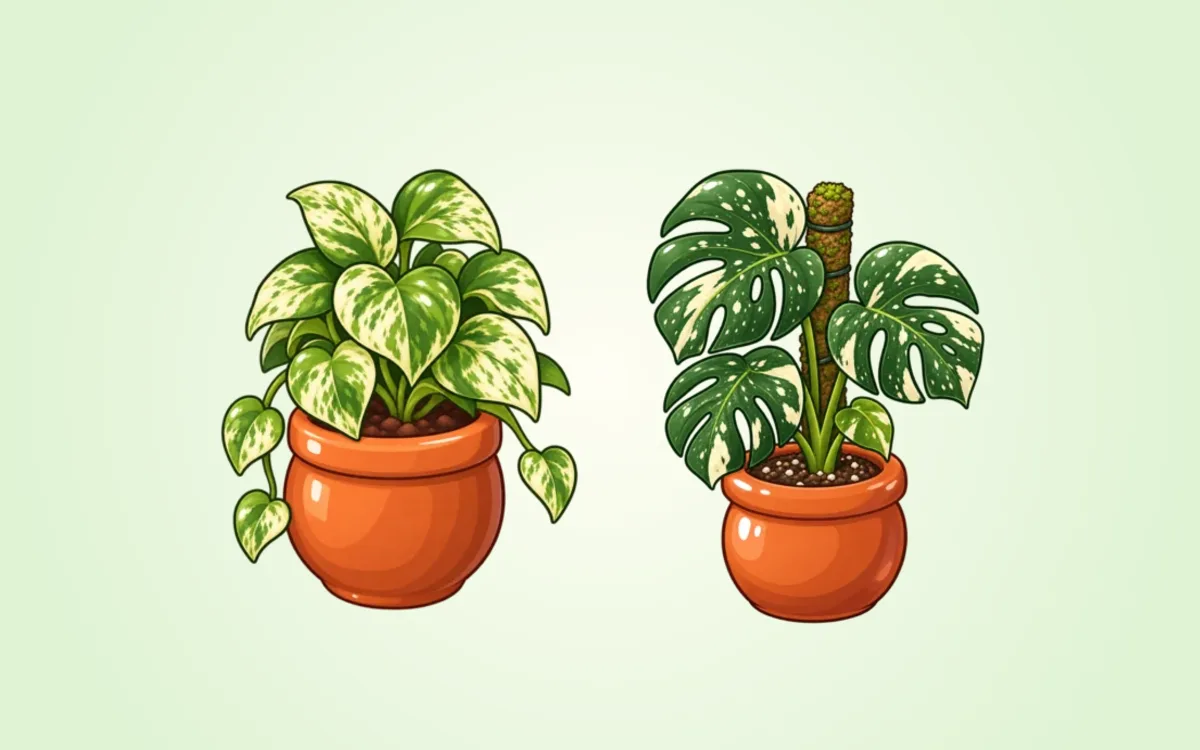
Most popular houseplants come from the tropics, where the air is humid. A heated home in winter is a different world. Iowa State University Extension says most homes sit at just 10 to 20 percent relative humidity in winter, while houseplants prefer 40 to 50 percent. The good news: not every plant cares much, and some of the most-repeated humidity tricks work far less well than their reputation suggests.
How Much Humidity Do Houseplants Need?
| Measure | Value | Source |
|---|---|---|
| Typical winter indoor humidity | 10–20% | Iowa State University Extension |
| Winter humidity during heating season | Easily falls below 30% | Penn State Extension |
| Recommended indoor range (for people) | 30–60% (ASHRAE) | Penn State Extension |
| Most houseplants | 40–60% | UNH Extension |
| Tropical species | 70–80% | UNH Extension, Nebraska Extension |
| “Nearly all houseplants” | 50% or more | Missouri Botanical Garden |
The numbers vary a bit by source. In practice, if your home drops below 30 percent in winter, most tropical plants are at the edge of their comfort zone and the fussiest ones will show it.
Penn State Extension offers a reassuring rule of thumb: if the humidity feels comfortable to you, most houseplants will get through winter fine.
Measure It, Don’t Guess
Without a reading, you can’t tell whether you have a problem or whether your fixes are doing anything. UNH Extension recommends pairing a humidifier with a digital thermometer and hygrometer. Penn State Extension suggests using a hygrometer to check whether your bathroom is actually more humid, since that depends on how often the shower runs.
Put the hygrometer near your plants, not by a door or a heater, and watch it for a few days, morning and evening.
Which Plants Actually Need High Humidity?
| Needs | Examples | What sources say |
|---|---|---|
| High | calathea Goeppertia orbifolia (formerly Calathea orbifolia) | NC State Extension: at least 60%; RHS: high humidity, such as a bathroom |
| High | prayer plant (Maranta leuconeura) | NC State Extension: requires high humidity, a humidified room or a wet pebble tray |
| Medium to high while growing | alocasia, e.g. Alocasia ‘Polly’, ‘Frydek’ | RHS: medium to high humidity spring to fall; cooler and drier in winter dormancy |
| Average home humidity is fine | heartleaf philodendron, pothos | RHS: philodendrons are happy in typical home humidity; Nebraska Extension lists pothos among plants that adapt to dry air |
| Dry air is fine | Cacti, succulents | Nebraska Extension, Penn State Extension |
What Actually Works: Methods Compared
We couldn’t find a controlled study from a reputable source that measured the effect of misting or pebble trays on houseplants directly. The ratings below come from university extension services and the RHS. Where they disagree, we say so.
| Method | Effectiveness | What sources say |
|---|---|---|
| Humidifier | Highest | Iowa State: “an excellent way” to raise humidity; UNH: offers the most benefit, especially in larger rooms; Penn State: helps, though a whole-house unit won’t reach ideal plant levels |
| Terrarium, cloche, or glass cabinet | High, for small plants | Penn State and UNH: keeps humidity in the plant’s immediate surroundings; UNH advises lifting the lid occasionally to avoid excess moisture |
| Grouping plants | Moderate | Iowa State, Nebraska, UNH: evaporation from soil and leaves creates a slightly more humid microclimate; Penn State: depends on how many plants and the room size |
| Bathroom or kitchen | Depends on use | Nebraska Extension and the RHS suggest them; Penn State: hard to verify, depends on how often the shower is used |
| Pebble tray | Disputed | Iowa State, Nebraska, and the Missouri Botanical Garden recommend it; UNH: a modest improvement, best combined with grouping; Penn State: the evaporated water diffuses into the room with almost no overall effect |
| Misting | Very short-lived | Iowa State: leaves dry quickly, you’d need to mist several times a day; Penn State: the effect lasts minutes; Nebraska: you’d have to mist every few minutes, and constant leaf wetness raises leaf spot risk; RHS: can help if done frequently |
Does Misting Houseplants Help?
Misting is the most common humidity advice, and it’s where sources disagree most. The RHS lists misting as an option in its calathea, alocasia, and monstera guides, and its general houseplant guide says spraying can help if done frequently. US extension services are skeptical: water on the leaves evaporates within minutes, and the humidity boost goes with it.
If you enjoy misting, keep these points in mind:
- Use tepid water (University of Maryland Extension).
- Skip plants with fuzzy leaves, such as African violets (University of Maryland Extension).
- Let leaves dry between mistings. Nebraska Extension notes that constantly wet foliage is more susceptible to leaf spot diseases.
- Don’t count on misting alone to fix dry air for demanding species. A humidifier is more reliable.
Signs the Air Is Too Dry
- Brown, crispy leaf edges and tips (Nebraska Extension, UNH Extension)
- Spider mites. The RHS warns that low humidity attracts red spider mites to alocasias, since they thrive in dry air. The Missouri Botanical Garden notes they multiply in hot, dry conditions. See our guide to spider mites on houseplants.
- Leaf drop and a sparse, spindly look (University of Maryland Extension)
Brown tips don’t always mean dry air. Uneven watering and fluoride sensitivity look similar. Before buying a humidifier, check our guides on yellow and brown leaves and how to water houseplants.
A Practical Winter Plan
- Measure humidity near your plants for several days.
- Move plants away from heat sources. Nebraska Extension recommends it, and the RHS says the same for philodendrons and monstera.
- Group humidity-loving plants in one spot, ideally in a room with less airflow.
- If readings stay below 40 percent and you grow calatheas, prayer plants, or alocasias, consider a humidifier near them and keep an eye on the hygrometer.
- Put small, fussy plants under a cloche or in a glass cabinet.
- Don’t water more. UNH Extension warns against overwatering while boosting humidity, since it can cause root rot. Air humidity and soil moisture are two different things.
Humidity and Temperature Go Together
Dry winter air comes from heating, so it’s worth watching temperature too. University of Maryland Extension says foliage plants grow best at 70–80°F during the day and 60–68°F at night. For specific plants, the RHS gives:
| Plant | Temperature (RHS) | Notes |
|---|---|---|
| Calatheas | 61–70°F (16–21°C) | Avoid temperature swings, drafts, and direct heat |
| Alocasias | Always above 50°F (10°C); at least 60°F (16°C) while growing | Cooler and drier in winter dormancy |
| Philodendrons | At least 59°F (15°C) | Away from hot radiators and cold drafts |
| Monstera | 65–77°F (18–25°C) | Away from cold drafts and direct heat such as radiators |
The RHS specifically advises keeping philodendrons and monstera away from radiators and other direct heat. The Missouri Botanical Garden also warns that sudden temperature swings can cause rapid yellowing and leaf drop.
Don’t Overdo It
Very humid air in a closed space without airflow has its own risks. That’s why UNH Extension suggests lifting terrarium lids now and then, and why Nebraska Extension cautions against leaves that stay wet all the time.
FAQ
Does misting houseplants increase humidity?
Only briefly. Iowa State University Extension says foliage dries quickly after misting, so you'd need to mist several times a day. Penn State Extension notes the boost lasts only until the water evaporates, often a matter of minutes. Nebraska Extension adds that constantly wet leaves are more prone to leaf spot diseases.
What humidity level do houseplants need?
Most houseplants do well at 40 to 60 percent relative humidity, per Iowa State and UNH Extension, with tropical species preferring more. NC State Extension says calathea (Goeppertia orbifolia) needs at least 60 percent. Heated homes can drop to 10 to 20 percent in winter.
Do pebble trays work for humidity?
Sources disagree. Iowa State, Nebraska Extension, and the Missouri Botanical Garden recommend them; UNH Extension calls the benefit modest; Penn State Extension says the evaporated water spreads through the whole room and has almost no overall effect. They make the most sense combined with grouping plants.
What is the best way to raise humidity for houseplants?
University extension services agree that a humidifier works best, ideally paired with a hygrometer so you can see whether it's helping. For small, fussy plants, an enclosed space such as a terrarium or glass cloche also works well.
How can I tell if the air is too dry for my plant?
Leaf edges and tips turning brown and crispy is the classic sign. The RHS also notes that dry air attracts spider mites to alocasias. Brown tips can have other causes too, such as uneven watering or fluoride in tap water.
Sources
- Penn State Extension — Humidity and Houseplants
- Iowa State University Extension — Should I mist the houseplants?
- UNH Extension — How can I increase the humidity indoors for my houseplants?
- Nebraska Extension (Lancaster County) — Success with Houseplants: Humidity
- University of Maryland Extension — Temperature and Humidity for Indoor Plants
- Missouri Botanical Garden — Indoor Plants or Houseplants (factsheet, PDF)
- RHS — How to grow houseplants
- RHS — How to grow alocasias
- RHS — How to grow calatheas
- RHS — How to grow philodendrons
- RHS — How to grow Swiss cheese plants
- NC State Extension — Goeppertia orbifolia
- NC State Extension — Maranta leuconeura
Care information is general; every plant and home is different. Growing is simplified in the game.